Its only 5 days left for our investors bootcamp and we got some interesting questions from some our readers regarding Investor’s Boot camp that we are starting from 12th August. It is possible that you might be having same questions in your mind and so we thought of compiling questions for all. The concept of investors boot camp is new and it is perfectly fine if you have doubts or queries.
4 FAQ’s about Investors Bootcamp (Only 5 days LEFT)
Question 1 –I am a procrastinator by nature. If only I wasn’t a procrastinator, I know I could be a STAR Investor. I’m on jagoinvestor from many months and I also follow other blogs on personal finance, I know I should be buying adequate life cover and health cover and be more goal driven but I am failing at taking actions. Can this boot camp be of help to me as an investor. I trust you guys fully and paying 4k is not an issue for me.
Answer: “This boot camp is designed for procrastinator and for those investors who are struggling to take actions in their financial life. As a boot camp participant we will assign you simple actions every week and you will be reporting directly to us and we wont tolerate any kind of casualness from any participants. We are going to be extremely demanding and direct with all participants and will make sure you get strong on the action part. This boot camp is an opportunity for you and so don’t miss it.”
Question 2 – I am kind of person who will do a lot of research and always find myself in “Crossroad situation”. I am always confused as I have more than one option in front of me. I want to get out of my research mode and want to take many actions. Will this group be of help to me. Please send me details
Answer: The problem you are facing is faced by many investors. Investors are getting drunk on information on the name of investor education which is dangerous from wealth creation point of view. As boot camp participant we won’t dwell into intense intelligent discussions. We won’t over load you with more information. We will simply ask you to do X every week and you will complete X actions in your financial life. Let’s make things simple and do what is required to live a good financial life
Question 3 – I am very new as an investor and I have no personal finance knowledge. I have bought one of your books but still have not completed reading it. I am into job from last 1 year and want to start investing. Can this boot camp help me?
Answer: This boot camp has to be seen as a strong starting point. It does not matter whether you are new or an experienced investor. The content of each week will be generic and something that will be useful to all kind of investors. We will provide you with a structure and an environment where you will start to think and act in your financial life. We will help you to plant right seeds in your financial life that will be of help to you. We look forward to serve you.
Question 4 – I am still not clear how a boot camp can happen on a facebook group. I mean how will you guys help so many people in taking actions. The group will have people from different backgrounds and age level. I want to join and I know when you guys come-up with something it will be high on value but can you throw some light on how will you manage this boot camp. Thanks in advance
Answer: This is a very good question. The beauty of this structure is it’s simplicity. Anyone from any location can be a part of this boot camp. We have chosen facebook as most of the people have facebook account. This is new and first of it’s kind bootcamp but we will make sure that participants will create immense value. Every Monday we will upload one action sheet (Excel based) and will post weekly actions for all group members and on Saturday people will report their results.
The actions and material provided will make action taking extremely simple. We do not intend to create great investors in this boot camp but we want make better investors. Investors who are busy and want and extra helping hand in their financial life. In past we have done such groups for advisors community and we know the dynamics of how to help people move forward as a group
Even after reading these questions you have any further doubts or questions feel free to write us. We will be more than happy to answer your queries. And if you are clear this boot camp will be of help you click here and complete your registration. We invite all the readers to be a part of this Investor’s Boot camp
Do you know that you might have lost thousands of rupees in paying extra money on restaurants bills over last few years, just because you do not understand what does service charge, service tax and VAT actually means and how are they calculated. Most of the times customers take it for granted assuming that hotel must charged it in right manner and as per rules laid down. Lets learn about these 3 concepts today so that next time you pay a hotel or restaurant bill, you exactly know what you are paying for and raise your voice if something is wrong.
When the Bill Arrives
Just before the bill arrives, I have this habit of running “guessing competition”. Whoever is with me, I ask him/her – “Guess, what would be the bill amount be around ? Give the range , whoever is close wins !” .
Almost all the time I am very close to the actual amount, but then I am not close to the final amount to pay, because I always forget to consider various tax and charges applicable, which always inflates the bill by 20-30% . Imagine you eat worth Rs 1,000 and pay Rs 1,260 finally ! . You know that feeling :).
So if you look at your bills when you eat at hotels and restaurants, you will see 3 kind of charges namely “service charge” , “service tax” and “VAT” . Lets decode them one by one and see what exactly they are
1. Service Charge
Service Charge is a charge levied by restaurant for the service provided to customers. This is generally 5%-10% of the bill and restaurant owner is free to charge whatever amount he/she wants as service charge. Its up-to you to decide if you want to eat there or not. The service charge has to be displayed in Menu, only then it can appear in the final bill. If you do not see it on Menu, it means it was not communicated to you and you cant not be charged service charge.
Actually service charges are to be distributed among waiters and staff and its kind of compulsory “tip” to be paid. So if there is service charge on the bill, you are not suppose to tip officially to any one. So don’t feel awkward not paying the tip, because you have already paid it in form of service charge, however most of the hotels and restaurants never tell you this explicitly. However one of the exceptions I know is restaurant called “Barbeque Nation”, I could clearly see it was written in their menu that “We will levy 4% service charge on the final bill, and you are not suppose to tip any one (strictly prohibited), because service charge will be shared among the staff” . The ethics quality was as high as their food quality 🙂
So if your food bill is Rs 1,000 and service charge is 10% , then your final bill will be Rs 1,100 .
2. Service Tax
The important thing, you should be aware about is how service tax is calculated! . Do you know that, Service tax is only applicable on 40% of the bill amount, not the total amount. As the service tax is around 12.36% at the moment, the final tax you need to pay is only 4.944% (12.5% X 40%) on the bill (inclusive of service charge).
The next important thing you should know is that, only AC restaurant can charge service tax. If there is no AC in restaurant (fully or partially) , they cant charge service tax at all. This service tax goes to Govt of India. The service tax is payable on the bill amount + service charge. So if Bill amount is Rs 1,000 , and service charge was Rs 100 (10%), then your sub total would be Rs 1,100 . And your service tax will be computed on Rs 1,100 (not Rs 1,000). 4.944% of Rs 1,100 will be Rs 54.38 and your total bill after service tax would be Rs 1154.38 . A lot of unprofessional and small restaurants are found to charge service tax on the full bill and most of the customer pay because they have no idea what is wrong and what is right. Here is official Note on service tax
Note – On 3rd Nov 2012 , Bar Council by mistake interpreted that service tax is to be paid only on service charge, and it starting circulating over facebook and emails. But note that it was a mistake and later clarified that service tax is to be charged on 40% of the bill amount also. So dont fall for wrong information . Even some one posted it on our jagoinvestor forum and I myself believed it to be true !, but later decided to investigate it.
3. VAT – Value Added Tax
VAT is Value added Tax collected by State Govt. VAT is only applicable to the food items which are prepared inside the restaurant, because they “added some value” and then hand it over to you. So make sure you do not pay it on packaged items which are not prepared by Restaurant like Packaged food items, water bottles etc. A lot of times you eat at restaurant and also take a lot of packaged items, in which case VAT should be applicable not on final bill, but only sub total of the food items you consumed.
VAT Charges vary from state to state, but generally lie in the range of 10% – 15% . Like in Maharashtra its 12.5% , and in Karnataka its 14.5% . VAT is to be charged only on the main bill + service charges. It CANT be charged on the amount after service tax. So in the same example we looked about, the final bill after service charge was Rs 1,100 , so VAT at 12.5% will be Rs 137.5. Now total bill amount would be
Food Bill – Rs 1,000
Service Charge – Rs 100
Service tax (4.944% of 1,100) – Rs 54.38
VAT (12.5% of 1,100) – Rs 137.5
Total – Rs 1,291
29% higher Bills compared to Cost
You can see how various charges and tax can increase your final bills by 25-30% . So next time you pay your bills, just make sure your check, if all the taxes and charges are computed properly and as per rules.
Do you want to change your financial life in next 8 weeks and want to work with Manish and Nandish in a group oriented program online ? Read on ! .
People get on our blog, buy our books, select our services and purchase our products because they want to live a “Good Financial life”. Our mission as a team is to help every investor to live a Good FINANCIAL LIFE. We love what we do and it has been a sheer pleasure sharing personal finance insights with investor’s community every week on our blog. A smile on an investors face is our greatest reward; we want everyone to be prosperous. We see every reader as our extended family and we will always come-up with something new that you can engage with to grow as an investor.Today, we would love to share our internal commitment with you (This is what we STAND for as a team)
We as a team will always be of service to every investor. We as a team will design products and services that will help people to grow wealth. We will author books that will touch people’s heart. We will measure our life not with how much money we make in life but how many people’s financial lives we influenced with our work and thought process. We want to engage with projects and work which helps us to share our GIFTS with the world. We will always be surrounded and associated with powerful and empowering people in our life. We will set-up GAMES that helps us grow personally and professionally.
We thank every reader for always being with us and for helping us to stick to our internal commitment all the time. Your encouragement and love truly matters!
We have two BIG ANNOUNCEMENTS for YOU!
Announcement #1 – 8 Weeks Boot Camp for investors
The word boot camp comes from the realm of military. It is where all the tough training takes place. In a boot camp ordinary people dust their casualness and are trained to produce extraordinary results. We want to create such boot camp for investors who need assistance in living a good financial life. We are absolutely committed in helping those who want to actions in their financial life. We will be with you, guide you and will help you to design project called “Good Financial Life”. Listen to the audio below to understand more about this bootcamp (direct link)
With the help of this project you will get a chance to be with many other investors who will be taking actions with you every week. You will get an opportunity to learn from other’s financial life and experiences. Inside this project we will be with you for full 8 weeks and will assist you to take your financial life to the next level. As program participant we will provide you with the material, tools and support. Every participant will be assigned a buddy to work with during the project and you will report your weekly results to us directly on a closed facebook group. Your weekly results will be tracked and the structure of this boot camp will be extremely simple and effective. The mission of this boot camp is to “Live a good financial life” and nothing else. The only thing we will sell you for all 8 weeks or rather remind you constantly is the possibility of living a good financial life.
Apply for the Investors Bootcamp
Choose 1 ticket and click on Register Button below for making the payment. You will get a payment confirmation email after you register. First 10 members can use BOOTCAMP2013 for 1,000 discount
Announcement #2 : 8 weeks – Women Investors Empowerment Program
We feel a lot of work needs to be done for women investors and we don’t want to wait any more. We are starting a special small group for women investors. This program is designed to empower women investors. The program will help women investors in understanding personal finance in a better way.
If you a man and want your wife to learn about personal finance, this is a program you should gift to your wife. This group is for those who hate numbers, it is for those who are really bad with personal finance, it is for those who are afraid of personal finance jargons, and it is for those who think “personal finance is not my cup of tea”. Listen to the audio below to understand more about this bootcamp (direct link)
Once you complete this program you won’t become an expert but you will surely get comfortable and more confident in the world of personal finance. You need to see this program as your first baby step that will help you to become an empowered women investor. As program participants you will have to engage with short weekly assignments which will help you to improve yourself as an investor, you will learn to know your rights better and you will learn to get in control of your own finances.( At least some key areas for sure). Every week we will have FREEDOM DAY where you get a chance to ask the world’s most stupid question and we will be of full assistance to you. It is going to be a safe and fun zone for women to participate fully and an opportunity to kick start their journey as an investor.
Apply for the Women Empowerment Program
Choose 1 ticket and click on Register Button below for making the payment. You will get a payment confirmation email after you register.
Let’s look at what it takes to be a part of this PROJECT
To participate you need a small financial commitment, an open mind, a facebook account and lots of commitment to live a good financial life. So, if you want to be with us, you want us to assist you, guide you just be a part of our project “Live a good financial life”. You can click here and find out more about our new initiative and if you have more questions feel free to leave your comments in the comments section.
I thought of sharing an interesting survey done by DSP BlackRock along with a research Agency. An overwhelming 77% of working women depend on spouse and / or parents for their investment decisions, says the new DSP BlackRock study conducted by global research agency Nielsen.
Only a minuscule 23% of the surveyed working women claim to be sole decision makers, when it comes to their own investments. This figure is even lower (18% and 13% respectively) when it comes to the proportion of single working women and married working women who take their own investment decisions.
The study, ‘Understanding Women – Usage and attitude towards financial products’, is based on a pan-India survey of more than 4,750 women spread across 14 cities (6 metro cities and 8 non-metro cities) to understand the women usage and attitudes towards financial products.
The study also examined factors that facilitate or impede their investment decisions, besides their attitude & expectations from financial products. The survey covered working and non-working women between 21 – 60 years of age, and included divorcees and widows.
According to the survey, while 92% of working women claim to be involved in the investment decision-making process, 70% of these women are actually joint decision makers and a majority of these, at 52%, are only informed about the investment decisions which have already been made.
Women are reluctant to Take Risk
The main reason why women don’t take investment decisions is that they are safety oriented and reluctant to take risk, the survey notes. Husbands also seem to dominate the investment decision making among working as well as non-working women.
While the proportion of Sole Decision Makers among working women is similar in metros at 24% and non-metros at 20%, in case of non-working women, sole decision makers are confined mostly to metros. The survey also observes that the proportion of sole decision makers among working as well as non-working women is significantly higher among the divorced and widowed.
While analyzing women’s main reasons to invest, the survey notes that future security and child’s education form the key reasons for investments, especially amongst women in non-metros. Although the desire to invest with an objective to become rich is lower compared to the other reasons, it is observed to be higher among women in metros.
Tax does not feature as a primary reason for investments among women surveyed.
Women feel controlled and disciplined about their spending
The survey also highlighted the safety aspect when it comes to women and investments. Women are inclined towards safety while investing and hence put more money in instruments that yield fixed returns. Most of the surveyed women also feel that they are controlled and disciplined about their spending.
When it comes to trusting various financial institutions, it was observed that women trust nationalized banks (88%) almost twice as much as they trust Indian private banks (43%) and foreign banks (24%).
Aditi Kothari, Executive Vice President and Co- Head Marketing, DSP BlackRock Investment Managers Pvt Ltd said, “This research was part of our Winvestor initiative to gather crucial data that can be used to spread awareness regarding financial independence amongst women.
We hope that this study is an eye opener to the alarming lack of women’s involvement in making their own investment decisions; and motivates them to take more interest in managing their own money.”
‘Winvestor’ is an Investor Education Initiative by DSP BlackRock Mutual Fund that aims to encourage women to start taking well informed financial decisions on their own by encouraging them to meet an advisor and to get interested in their personal finances.
What do you think about this survey and study done ?
We all get unwanted calls related to credit card, insurance plans, newly launched policies, to upgrade our prepaid connection to post paid and god knows what all. I am generally regarded as a “super-cool” kind of guy within my group, these callers even try to break that good part of me. However, over the last few years, I have realized that no matter what you do they still come back to you with full dedication.
When I posted one simple trick on my facebook wall to get away from these calls, people connected to me reciprocated back with few other tricks which they try to shoo away marketing calls. Let me share those with you, so that next time you get that unwanted call asking you for making some investments or taking some policy or whatever reason, the chance they will leave you for next few months increases.
10 tricks to avoid Marketing Calls
Before I share those simple tricks with you (which are actually shared by others with me), I want you to know that the callers will only leave you when they come to know you are a “worthless guy” or you irritate them to the core.
Trick #1 – When you get a random call from banks, insurance companies for “a special offer only for you” . Tell them – “Sir, I lost my job yesterday” . You will instantly become UNTOUCHABLE for them .. and they will leave you in peace (for some months at least)
Trick #2 – And if a life insurance agent calls I tell them my wife is a LIC advisor. In my case, he blacklists it immediately. There is no second call
Trick #3 – I just put my phone on loudspeaker mode and keep it aside…I put in an ok intermittently… finally the other person gets bored and hangs up…!!! Donno if the job lost trick would really help, but I would listen to the offer for sure !!!
Trick #4 – I just say I’m not interested in marketing calls and request them to add my number to their blacklist. Again if someone calls me with same request I threaten them saying I am going to raise a complaint. This has worked well for me.
Trick #5 – Once I told them this is a police officer and a body is in front of me. have u killed him/her ?
Trick #6 – I got a call from ICICI Bank selling credit cards. I denied and he asked for a reference. I gave him the mobile number of their CEO whose contact I had from a meeting 2 yrs back
Trick #7 – When they ask “How are you today?” Tell them! “I’m so glad you asked because no one these days seems to care, and I have all these problems; my arthritis is acting up, my eyelashes are sore, my dog just died.”
Trick #8 – If they say they’re John Doe from XYZ Company, ask them to spell their name. Then ask them to spell the company name. Then ask them where it is located. Continue asking them personal questions or questions about their company for as long as necessary.
Trick #9 – Tell the telemarketer you are busy at the moment and ask them if they will give you their HOME phone number so you can call them back. When the telemarketer explains that they cannot give out their HOME number, you say “I guess you don’t want anyone bothering you at home, right?” The telemarketer will agree and you say, “Now you know how I feel!”
Super Trick #10 – Tell them – “Wait a minute, can you hold on for 10 sec … and then pass it on to your 2 yrs old kid and ask him to talk to Uncle”.
Watch this youtube video below ( and you will get some good ideas on what to do?
Ashish shares his incident
Also it reminded me my interesting conversation with one of the tele caller, when she called me to ask if need Credit card from her bank .. I was going to railway station in my office cab and was getting bored in cab as it was not my usual cab route when this call came on my cell.. I listened and interacted very carefully what she had to say for trying to get me signed for credit card.. Replied all her queries about salary, work info, company info etc without allowing her to realize that all details were fake .. then she explained what all documentation was required in order to apply for this credit card.. I then asked her many questions which made her believe that i am really interested.. However she got shocked for my reply when she asked me: Sir, when shall i send my executive to collect all the documents?
I replied in very sweet and simple voice: Next year M’am .. She took a pause for few seconds before she realized what had happened, then she said thank you (in frustration) before disconnecting the call …
I was on speaker phone for this conversation and I did not realize that my colleagues were listening my conversation with this lady, until, they all burst in to laughter listening my reply for her last query ..
I made sure that i stretched this conversation for at least 40 mins so i could cover most part of my destination ..
Once I get a call from ICICI to buy insurance (ULIP) though I did not want to buy but I was free so to pass time I asked the girl why should I buy insurance. Her reply was that you can save for my children and if something happens to you then your wife & kids will get money. She told me that it is a must for married men to buy insurance. Now it was my turn I told her that I am unmarried (I lied ) so she said “aap shadi to karoge hi to insurance to reqd hi hoga” I asked if she was married on which she said no. Then I asked “Madam aap mujh se shadi kar lo. Engineer hoon, 6 Foot ka jawan hoon, Kamata bhi hoon. aur tab mujhe insurance bhi chahiye hoga” Shockingly she said “Sir, why are you joking.” I said “no! I am serious. It’s a win win situation. Mera ghar bas jayega aur aapki policy bik jayegi. So when can I meet your mother? ” She put up the phone & since then I have got no call from ICICI.
I got a phone call asking me if I required a loan. (Old days not now). I replied ” Yes I am intrested in intrest free-non refundable loan. ” Unfortunately the poor thing could’nt understand the joke.
I got another call from a tele caller. She ” Sir your number has been selected by a lottery and you are invited to such & such hotel on ..at .. for a presentation. And a free gift is awaiting you”. I ” If you want to give me a free gift then why don’t you visit my office and give it to me ? I will visit the hotel for the presentation after seeing the gift” .
I got another similar call . She “Sir you number has been selected by a lottery and you are invited to such & such hotel on ..at .. And a free gift is awaiting you.” I “Will you be there ?” She flustered ” No sir. My boss will be there” I ” Then I am not intrested”.
Note – We understand that marketing calls are made by people due to their job and target pressure. We in no way disrespect them or trying to make fun of them. With this post, we just want to communicate the pain the other side goes through and few tricks shared by others to avoid those unwanted calls.
Do you come across health insurance policies from Bank with surprisingly low premiums and with amazing features and benefits, which makes you feel you should not miss this offer? Today I will give you good enough ideas about those health insurance policies and will help you understand the limitations of those health insurance policies from the bank and why you should avoid them in most of the cases. Let’s start.
Background about Health Insurance policies offered by Banks?
All the health insurance policies offered by banks is mainly a group of health insurance provided to all their banking customers in association with some external general insurance company. What happens, in this case, is that a health insurance company approaches a bank and tells them that they can offer a specialized health cover to all their bank customers with lots of benefits with a small premium. The best part of these policies is that there are no medicals involved, there are fixed premiums for all age group customers, very low premium, etc. On the first look, you will not even believe that something of that kind can exist.
But there is always another side of the situation and now these policies despite looking amazing to have lots of problems and limitations which you should know and then take the decision. Let’s check them one by one
1. Depends on negotiations every year
Health insurance policies provided by banks are actually an outsourced thing. So if you buy it from bank A, then actually its a policy from Insurance company B, the bank is merely an intermediary. As this policy is a group cover, the policy premiums and all the featured are going to be negotiated on a regular interval like each year or twice a year. Now the problem is that if the health insurance company feels that the premiums should be revised (for whatever reason), then banks can’t do anything and the only customer will suffer here because he did his long term health insurance planning with this policy.
The premiums of the policy can rise like anything in the future because the pricing of the product is very flawed in most cases because banks do not have much experience in the health insurance domain.
In absence of the right expertize with most Banks, the pricing could be majorly flawed. Though there are no published figures available, our sources at some Insurance companies say that it is an incessantly “bleeding portfolio”. We believe, any contract, in any field, which is not win-win,does not work in the long term.
2. Chances of association breaking in future
What will a customer do if the association breaks between the bank and insurance company in the future? Health care costs are increasing and its always a good thing to get your self insurance as soon as possible, now if after 5 yrs of running a policy suppose the association breaks, a customer will be left into a situation where he has to again find a suitable policy and who knows if he has developed some illness in between these 4-5 yrs, who will cover that. Here is a real-life experience from Ketan shah on the forum, see how he suffered when something similar happened with him
Dena bank 5 Years back came out with Scheme in tie up with Oriental Insurance for providing mediclaim at highly attractive premium i.e. Rs. 7000 for 5 Lac cover.
We hold various accounts with dena bank and as per their tie up we got ourselves covered (5 Policies) after paying 2 years premium, when the 3 rd year renewal came we were informed that the tie up with Oriental is no more there and the same policy will be transferred to United India Insurance for same Premium..
Now we have paid 2 years premium with United India and the 3rd year Premium we are informed that Dena Bank has increased the Premium 2 -3 fold for policies…
Now trusting Dena bank and paying 5 years of Premium which comes to almost 2 Lacs we are stranded and forced to pay high Premium for my parents and now we are in a fix If we don’t pay and we cant even change the company since parents are 65 +
we were assured that the scheme shall continue since it is bank tie up and therefore we got our previous pvt policy cancelled which had a very High Premium for my Parents (20000 for 5 Lac)
Please advice if we can approach IRDA for the same…
3. Limits on renewable age
Health insurance is a long term financial product and should always be bought with very long term benefits in mind. Having a lifetime renewal option is not just a wish, but kind of must-have feature in your health insurance policy and that’s where these policies from banks fail. They all have a limitation on the renewal age in most of the cases.
Even if the premiums are lower, what will you do sometime in the future when you really need that policy and it shuts the door for you.
4. Pathetic “service” issues
The service provided at the time of claim settlement is really a big parameter. Now if you have bought it from the bank (here bank is the agent), there is no “person” or “company” to help or assist you at the time of claim settlement? Whom do you mail? Who do you talk to? Who will you catch? Who will you blame? The bank due to its size and nature will not entertain you in a proper manner.
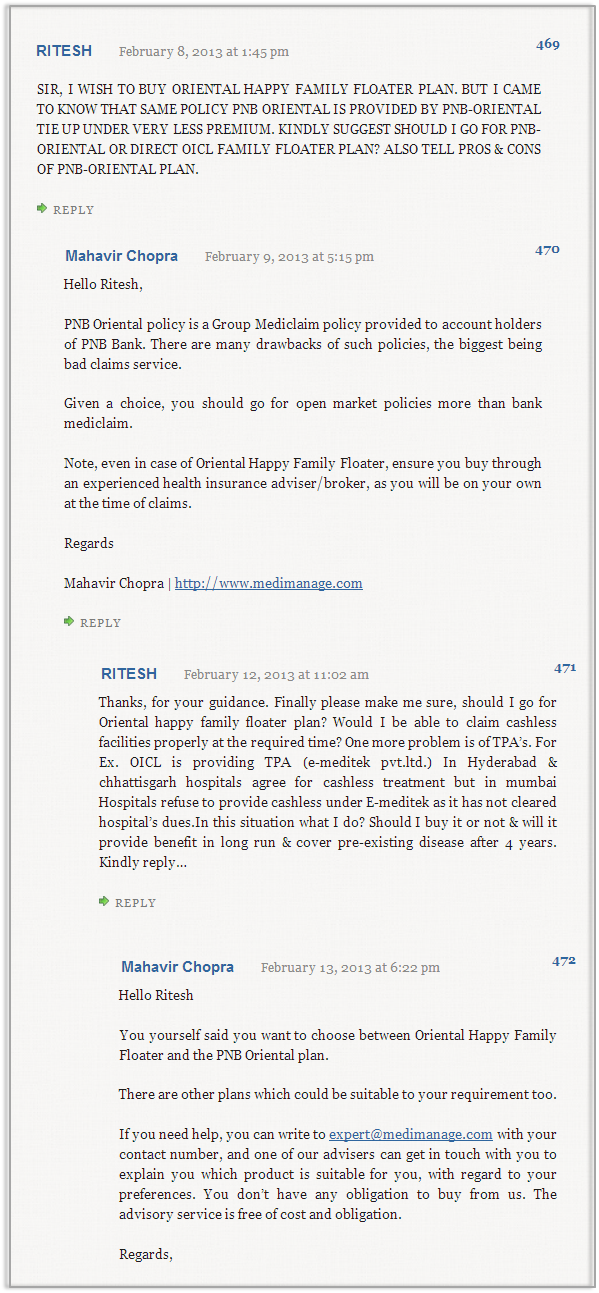
Also being a group policy, it some times gets very complex to understand their limitation and many things will be a complete nightmare for you as a customer. So it’s really a big disadvantage here. I want you to go through the following conversation on service issues which was done by Mahavir Chopra of medimanage and Ritesh sometime back. It will give you some idea about this aspect.
Overall I would say any health insurance from banks which are pure group cover should be just an extra health cover in your life. It should NOT be the primary long term solution for your health insurance needs. Its very important to have a large health cover from a very strong company with great benefits and strong service levels.
Have you ever thought of applying for Priority Banking with your bank (also called as Preferred banking)? A lot of banks offer something called “Priority Banking Solutions” to their customers who qualify the eligibility criteria. A priority banking customer is treated in a more special way and is taken care of priority by the bank. Let us talk about it in detail and does it make any sense for you as a customer to apply for priority banking customer or not?
Why does a bank have a Priority Banking Model?
The first question to understand is why do banks have a Priority banking model at all? The reason is very simple, to treat different levels of customers differently. If you want to harshly put it, then its just a way of keep a separate list of High Net-worth Individuals and focus on them more and service them in a better manner, because one customer who is eligible for priority banking will give 100 times more business/profit to the bank compared to a normal customer. A preferred banking customer will have a few eligibility criteria to honor, which is generally linked to his bank amount balance.
You are eligible for the HDFC Bank Priority Programme ** if you:
Hold at least one Savings or Current account, sole or joint, with HDFC Bank.
Maintain a minimum Average Monthly balance of Rs. 15 Lakhs across all your accounts (Savings, Current and Fixed Deposits*)
OR
Maintain an Average Quarterly Balance of Rs. 2 Lakhs in your Savings account.
OR
Maintain an Average Quarterly Balance of Rs. 5 Lakhs in your Current account.
The requisite balance can be maintained over your accounts and over those of your immediate family members.
In the same way, other banks also keep criteria for maintaining a high balance in saving bank account. That simply means that the bank would get lots of cash to use for their own business and naturally they can treat these customers very well. Check out this survey on the best banks in India.
Facilities provided to Priority Banking Customer
A Priority banking customer has few advantages over normal customers and gets more features. Some of the most common one’s are
Separate queue for in the bank so that you don’t wait
No charges on NEFT and RTGS transactions through Net banking
Free “At Par” cheque book payable at any Bank branch across the country, so you do away with the need to ask for demand drafts
Charges waiver for DD cancellation, Cheque return, Duplicate statement charges, Demand Draft Charges, Discount in Locker Charges,
Cheque pick-up facility
No charges on balance inquiries and cash withdrawals if you transact on Other Bank ATMs in India.
Many other benefits
Premium Credit Cards
However, all this is not so real and true
While banks list down these facilities on their website, on the ground level – there are many real-life customers who say that at the end of the day, you never get what is promised from these banks. There are a lot of things just on paper. Most of the banks just use the Preferred banking route to attract high net worth customers and finally end up calling then for investment products. A relationship manager keeps in touch with you (the target), he has all the information on how much money you have and when money comes and goes out of your account.
Here are 2 real-life experiences related to Priority banking from our questions and answers forum. Hope you get some good ideas from it.
Case 1 – Yogesh Shares his experience
There are no major benefits for being Classic or even Priority customer except some savings in NEFT charges and cheque book requests. I was HDFC classic customer for last 10 years. Around 9 months back they changed my status as Priority customer without taking a consent from me (same reason..as I opened some FD the bank) I just received letter that I am now Priority customer.
I did not notice any big difference of status being Classic or Priority customer.
The facilities they have are actually only on paper. Despite of a lot of follow up locker facility when one new branch had recently started and lockers were available, I did not get it. I was told to take some Young star policy in case I want locker. I denied this condition and the result was they did not allocate locker to me. So 50% discount is on paper. In last 10+ years I even did not meet personal banker for more than 5 times. My experience is personal banker keeps on changing periodically (on an average 2 years for each PB) and sometimes you need to trace who is your PB !
Question one may ask why I am still continuing with HDFC bank as classic customer. The simple reason is the bank is closer to my residence and with very less crowd.
In the last month I broke my FDs because of some reason and immediately they put my account into ‘Others’ category and again without informing me ! I could know that after they started charging me for account statement, signature verification/wife’s name change for mutual funds, NEFT transactions etc. So now I have instructed them to update my account as to ‘Classic Customer’ status as I still meet those criteria. Important thing to note…my Personal Banker did not take action immediately this time. That person told me s/he will forward my request to relevant department. Also at the same time this Personal Banker asked me to send request to know new Personal Banker !
Case 2 – Ayush Shares his experience
In my opinion there is no harm in being a Priority or privilege customer and using benefits offered by the bank (if they are of any use to you and are saving you time and money)
The main drawback here is, your name will go into their database as a customer with more money than some (or say lot) of others. This may result in some unwanted call such as credit card / loans / insurance or other banking products. When it comes to the actual banking needs there is nothing big that you will get. The relationship manager may keep calling you with information on new products.
My personal experience being a classic customer with HDFC is not so encouraging when the genuine banking needs are there. For example, I requested that I need a safety locker in HDFC branch but just like other customers I am on waiting list. In case I am lucky enough to get a locker, I have to pay only half the annual fee but will I get a locker is the question, that remains. You can save a few Rs. by saving on DD charges (to a certain limit), NEFT charges etc. but nothing big.
I am continuing just because I have all my banking /investment etc through HDFC and do not want to change and this classic banking is an added thing on to that account.
Conclusion
Most of the people have very basic banking needs, especially after Internet banking and mobile banking has arrived, your dependence on cheque books, Demand Drafts, and any physical visits to banks has reduced. For most of the people, anyways banking is just a small part of their financial life and they get most of the facilities and what they need from their basic banking account only. For them, it does not make a lot of sense to apply for priority banking . However, there are many investors who are heavily into banking due to personal reasons or for their professional needs. For many of them, few features which come with Priority banking might mean a very big thing. If you are one of them, just see how much of it will be eventually used by you and then take a call.
What do you think about it? Would you like to become a Priority Banking customer or not ?
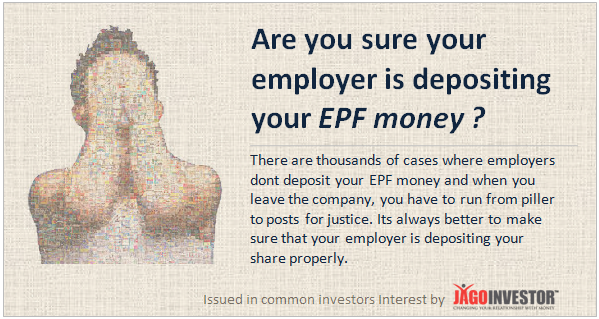
I don’t want to shock you, but there are tons of cases where employer happily deducts your EPF amount from your salary, but they do not deposit it with EPFO. This goes on for years and one day you come to know that you are stuck ! , because there is no EPF money for you. Your employer has severe cash crunch or is about to shut down and now you have to run pillar to post to claim your money. The whole situation gets ugly and you feel cheated, because your company never deposited the Employee Provident Fund amount. Now you go to Police and file a case against employer. But this all can be avoided if you are careful a bit, from starting itself.
How about making sure your employer is depositing your provided fund money into your EPF account ? Before I tell you, how you can do that, let me first share with you some REAL LIFE cases where employer failed to deposit EPF money and employees are suffering ! . These are some of the examples shared by readers of this same blog over comments section in various of EPF related articles.
Case 1 – How Abha’s company didnt deposit EPF money for 2 yrs
Dear Manish,
Thanks for such an informative post. At last i do see some hope. Here is my situation:
Worked for this company A for almost 4 years and left them in Nov 2011 as they were downsizing…yes it’s been more than a year and half of torture they have given me thus far. Company is kind of closed now as I don’t get any proper response from them, CEO is just not bothered. Company first asked us to wait for 2 months to file the claim as it is a rule, did that patiently. Later came the story of change of PF office from one (under which it was originally registered) to another and that went on for several months
They kept saying PF offices are not coordinating among themselves, the real reason was even shocking and more disappointing, PF guys were not updating because this company didn’t not deposit our PF amount for long time (2 yrs appx), they however kept deducting the same from our salaries (was surprised how come there was no annual audit by PF office and how this company could continue doing so for this long), anyways they cleared things in January this year and said we have applied again. When filed a grievance online, PF person says we haven’t received any claim whereas this X employer says they have already applied. Don’t know what the real truth is but on the basis on experiences I have… most certainly it is the X employer at fault.
Another strange thing is, when I checked by balance online in January this year it looked fine (updated up to 2012… I do have SMS proof) but from last 2 times it saying updated up to 2010, I am worried if this employer has dome some mischief here too, is it possible for a company to take back money from an employee’s PF account or it is the issue with PF website?
I don’t want to apply for my claim via options you suggested above unless I see the balance updated. Thank you so much for reading thru my query/concern. Appreciate your feedback.
Case 2 – Balaji Company asked him to Wait till they deposit the Employee Provident Fund money
Hi Manish,
I switched jobs in August this year. Before I quit the job, I had submitted form with my previous employer for withdrawing the amount in my PF account. I had not received the amount due till December. When I called my previous employer, they told that they have not yet deposited the money and I will have to wait till March 2013.
My question is, is what my employer did legal? How frequently should the employer deposit the PF money with the EPFO? I have been working with the organisation for little more than a year now.
Case 3 – Sarabjeet Kaur company not replying her because they did not deposit EPF amount
I worked in an organisation for 2 years. They have not deposited the PF amount which they used to deduct it from our account. Its been 1 year I am asking them to refund the PF. They have stopped replying to the emails and have stopped answering everybody’s call. Is there any ways I can withdraw the amount? The firm is based out in Mumbai and I used to work in Delhi Branch.
Employer can be Jailed if they do not deposit EPF money
An employer has no right to deduct the employee share from salary and not deposit it with EPF. There can be any excuse or justification for this, because its employee hard earned money. Once the employer deducts the Employee Provident Fund money from the employee salary, its their duty to deposit it with EPFO , and if they fail to do so for any reason, its a crime.
Whatever is the case, you can always complain about it with the EPFO department and the concerned officer has all the rights to proceed the legal complaint against the Employer and in the worst case, employer can also go to jail, because what they did is a criminal offence under section 405/406 of IPC .
1. Complain to CVO officer – You can also email your situation and case to the CVO (chief vigilence officer) at EPFO, who is appointed by Ministry of labour for EPFO to look after these kind of irregularities. You can email them at [email protected] . More at this link
2. File a Police Complaint – You can also file a criminal case, against the employer in police station which comes under the jurisdiction of your working office (not the registered one) . All you need to show them is the salary slip, which shows the EPF deducted, note that its always better to mail CVO about it anyways, so that the chances of local authorities influencing the matter will reduce.
3. Complain to Regional Provident Fund Commissioner (RPFC) – You should also complain about the matter to the RPFC officer if under the EPFO office, which will be investigated by him/her.
How Employers Deposit your EPF contribution to EPF account ?
How exactly your EPF money gets deposited in your EPF account ? Here is what I found on this website
Employees’ PF a/cs are maintained under these two different methods are –
1) All accounts are with O/o the RPFC
Every registered employer remits the Employee Provident Fund contribution by challans to the RPFC’s Bank a/cs. which in turn gets accounted in the respective A/c No.of every such employee. And the employer submits monthly returns to the RPFC showing the details, employee wise of contribution thus remitted.
Every such money is maintained by the RPFC who in turn disburses, thro’ the employer towards refundable loans, F & F settlements together with accrued interest to the respective employees. Once in a year a ledger sheet showing the transactions of any employee for one full year is issued to the concerned. Similarly from the PF contribution pension contribution is divided and remitted to the Pension a/c. of the employees thro’ a separate A/c. code. This method is the largest.
2) The other method is called “Exempted Establishments (PF Trust)”
An employer/company who employs more 100 employees on roll is eligible to apply to the RPFC for “exemption” from maintaining the EPF under the above said (1) method. RPFC grants the “exemption orders” under certain conditions after examining various aspects. After which the Employer sets up a EPF Trust to be run by Employer (employer’s nominees & Employees’ representative (Union nominees) which manages all the contributions of employees & employer (excepting Pension Fund which is never maintained by the Trust). A set of Bye laws, in the lines of EPF Act & Rules is prepared & duly approved by the RPFC for running the Trust.
This PF Trust money is invested in the Govt.approved securities for earning the assured interest from which accrued interest to the employees’ PF a/cs is credited. The Trust once in a year prints the Employees’ PF ledger a/cs and distribute to the concerned. The Trust accounts are audited by the CA and submitted to the RPFC. RPFC also periodically inspects the Trust a/cs and oversee. Monthly, annual returns in the Forms have to be submitted. The convenience under the Trust is quick disbursement of loans, withdrawals and F & F settlements to the employees. Surplus, if any never distributed but any shortfall is made good by the employer.
How to find out if your employer is depositing your EPF contribution or not ?
Let me share with you some steps you should follow, to find out if your company is depositing your EPF contribution properly or not.
1. First thing is the do not rely on hearsay’s here and there. It might happen that you come to know from some one that your company is not depositing your EPF money, but it might not always be true . Delays happens at times .
2. Every month on 25th , your employer is suppose to send few documents to EPFO department to intimate them on
Form – 2 (for new member during the month)
Form – 5 (detail of new joinees during the month)
Form – 10 (detail of left employees during the month)
Form – 12 – (Details of money deducted from employees salary)
3. The best thing is to first contact your employer and ask them for a copy of these forms for last 2-3 months, do double check if they deposited the money or not.
4. As per my opinion, the best way for a common man and most convenient option is to file a RTI against EPFO and ask them all these questions . Mention your EPF account number, your employer Code and simply ask if your employer has been depositing your contribution or not.
Conclusion
Mostly the big size employers might be depositing the Employee Provident Fund money properly on time, but some of the companies which are small sized or whose owners and management teams are unethical might be into these illegal activities of not depositing employees hard earned money. Its always a good idea to spend some time to be assured, in-case you feel your company is one of those who are not depositing EPF amount with EPFO 🙂
Do you know of any case like this ? Also Please share this article with more and more people
While I was working out in gym in morning, I has a strange feeling that I can connect every aspect of ‘staying healthy’ with ‘building wealth’. There are various things which can be used as an analogy to teach good things about ‘creating wealth’ , but the area of health is best as an analogy. I am sure a lot of you who take health seriously and exercise regularly will be able to connect well and appreciate this article, others who do not take care of their health might get the maximum value because they will appreciate both the things (health and wealth points) . Lets see those points .
1. Starting is Easy, Continuing is not
Its very easy to go for a jog/walk at 6:00 am for 2-3 days. A lot of people decide they will do it, and a lot actually achieve it . But what happens after a week/month ? We discontinue it and life is back at square one and we are just lost in our daily life exactly the same way we were earlier . You break your promise of “I will exercise in morning at 6:00 am” , and it all starts with a very small violation, which takes a big shape. Starting out something is damn easy, but the real question is how long you continue it ! and with what commitment. So don’t tell me you got up at 6:00 am . Tell me how long have you been doing it , that’s the real parameter.
In the same way, its too easy to start reading a new blog, starting your SIP , start writing your budget and even working on your financial life. A lot of people get some adrenaline rush, after I write some good article which makes them feel – “Its high time now. I should do something about my financial life” and they start doing something, but the real parameter to look at it is – “Are you consistently doing it ?” . Is your SIP running from many years, month after month without fail ? Are you writing the budget month after month and following it ? A Rs 5,000 SIP running for 10 yrs would always (well , in most the cases) beat a inconsistent SIP of Rs 12,000 . A consistent written and followed budget which was not that detailed, will be much better than a inconsistent budget which was very detailed. A simple strategy followed for years with consistency will just be better than a complex one which is not followed regularly.
2. Focus has to be on Long Term
Imagine you a trainer in gym and someone recently joined with 90kg weight, and complains to you that – “It has been 1 week, and my weight is still the same !” . What will be your reaction to that ?
You need to give sufficient time and patience to see results. You need to understand how things work in health and only when you understand the internal working , you will have faith in exercising , only then you will continue it. Over 6 months, you will see some results , over 1 yrs you will see good change, over 2-3 yrs , you will be a transformed person all together. Short term is just short term ,you can only build some artificial muscle in such a short time. But if you need some serious health, it can come in long term only.
In the same way, wealth can not be created in short term (I am talking about investments here) . Wealth multiples itself over long term and if you want to build 1 crore rupees in 3 yrs with your Rs 50,000 per month salary (god knows what is left at the end of the month) , you are probably from Venus , not Earth for sure. Just like long journey starts with a small step, you need to start your wealth journey with small steps and then built upon it . You need to understand some of the fundamental principles of personal finance (which I have shown in my book – “16 personal finance principles every investor should know“) . Unless you understand them, you will always doubt short term volatility in your portfolio, you will just get too much attached with security aspect of your money and will not allow your wealth to grow.
3. Diversification is Important
Imagine you are only and only working on your left hand when you exercise . Try to visualize it . You are concentrating only on your left hand and how to make it strong. What will happen in next 2-3 months ? I am sure you will not even last that long, but even if you do , your left hand will surely look artificial on your body and ache like anything because you just never cared about other parts of your body and other aspects of your health. A good health is function of good diet, good sleep , good exercise and your life style. Imagine you work out brilliantly , but then, all you eat is junk like Mc’D , KFC , Pizza’a , maggi etc etc .. Or imagine your diet is excellent , but you do not work out at all and sleep at 3 am and wake up at 11 am daily. This all is going to reflect in your health and you are not giving 100% to your health. You cant expect a lot !
In the same way, when it comes to wealth, you just cant be sitting on only and only Fixed Deposits or only and only ETF’s, or just 100% into real estate fully (unless you are a pro and understand what you are doing). You have to make sure you keep a balance and understand each component’s importance in your financial life. A good mix of real estate, equity, debt , cash , gold is desirable for most of the people (for a common man) . While Debt part will give you security and some peace of mind, real estate will make sure you do not feel left out in the race, the equity part makes sure, you are earning some real return at the end after tax and inflation, gold will keep you wife happy and cash will bring smile on your face and tears in your relationship managers face. The point is – don’t over-invest in one category without understanding its impact and accepting the outcome. Always keep balance and harmony among each other depending on your age and risk profile.
4. To get best quality, you need to invest your time/money/energy
I recently invested a huge annual fees in a well known gym. We get best equipment’s, best environment, best facility, dietitian to look after what we are eating and a good tracking of where we are in our health chart, regular track of our weight, measures and it helps me and my wife move in the direction we want to reach. You need to invest money to get the best most of the times. Apart from the money, you need to put a lot of times and energy from your side. This brings good health over long term. While you can also just go to a park in morning or jog on a road, you still need to invest your time and energy. You need to invest in good shoes, a comfortable work out dress. The point I want to convey is – while you can always look out for free things in life, which works , at-times you need to invest your money, time and energy to get the best. Do not look for money when it comes to your health, you can earn 10x times more if you have a better health.
Just like that, I see a lot of investors destroying their financial life, because they just do not want to invest money, time or energy in their financial life. You can get best, if you are open to invest money, time and effort from your side. The good things do not come cheap always. Hire a good advisor/planner who you think will be able to deliver what you want out of him. Invest in good programs, good books , invest your time to learn things, go to that extra mile to understand concepts and how things work. We have around 550 articles at this moment on this blog and 6,000 questions answered on our Q&A forum, ask yourself how much energy and time have you dedicated to learn things and find out new ideas. We have written 3 books, which we feel can really transform your financial life, all it takes is Rs 1,000 to buy them. Go ahead and just read all of them and you will at a new level. I recently paid Rs 3000 to attend a TIE session in Pune, just to hear Naranyan Murthy (for 1 hour) and Devdutt Patnaik (for 30 min) . What I got back was tons of their experience and whole new ideas which made my Rs 3,000 a tiny thing. Good things always comes when you make an investment , you just have to focus on value.
5. It keeps you energetic
When you exercise in gym or at park near by or at home, there is a point where you feel – “I cant do more exercise, Its paining now” . At that point if you stop, you do not get the best results. The best results are always on the other side of your comfort zone – Always in every area of your life. When you feel exhausted, gave your 100% , when you are wet with sweat, your whole day goes amazing. The kind of energy and excitement you feel inside you is awesome. You are more happier, you smile more, you are more kind and you feel more energetic, ideas inside your head are better. Just one activity leads to a great day. And when you do it every day, then each week and each month is great.
Just like you feel energetic when everything in your health area is good, you feel really blessed and good when thing are right in your financial life. When you have completed all your pending tasks in financial life (Join our massive action revolution called 100moneyactions), when you have achieved a sufficient milestone in accumulating wealth, when you have some respectable bank balance, when you have good emergency fund in place, term plan and health insurance already taken and completed. The kind of energy and excitement you have in your financial life is different . You look at your financial life and feel better. You can concentrate on other areas of your life.
6. Structure and Environment increases your dedication and consistency
Good health comes when you are into a nice structure and environment, which fuels your appetite to exercise and improve your health. You will not feel like working out when you are inside your office space, you will not feel like exercising when you are into a movie theater. But when you are inside a gym or a park in morning, you suddenly ‘feel’ from inside that you want to exercise. Thats the power of Environment. Just see anyone who has amazing health, its because they are part of some great environment and structure, it can be as simple as getting at 6:00 am and going for a walk. That’s also an environment.
In the same way, a proper environment helps a lot when you want to improve your financial life. When we did a 1 day full workshop in Mumbai recently, It was all about creating an environment, where you 100% focus on your financial life and discussing ideas which can take your financial life to next level. This blog is an environment, our 100moneyactions is a dedicated environment for taking actions in your financial life . I want you to look at the following video which will help you understand more about power of environment and structure in your financial life.
7. Starting early helps
While its never too late, its always a good idea to start early in life. Imagine two cases, one where you have had a healthy life all your life, and then second case is when you are extremely unhealthy till now and now trying to have a health life at 45 yrs ! . Most of the people around 40-50-60 yrs old today are facing so much issue getting a health plan and also dealing with life overall. They have medical issues and its affecting everything in their life, even people who are connected with them.
Imagine if they had taken care of their health long back, it would be a different situation today. If you are not joining the gym right now, just because it costs money or you have less time, you get very clear that you will pay both of them later with huge interest. In Nandish Book – “11 principles to achieve financial freedom”, In one of the chapters, he has put a quote by Dalai Lama , when asked what surprised him most about humanity ..
“Man. Because he sacrifices his health in order to make money. Then he sacrifices money to recuperate his health. And then he is so anxious about the future that he does not enjoy the present; the result being that he does not live in the present or the future; he lives as if he is never going to die, and then dies having never really lived.”
The same applies to your wealth and financial life. The mistakes you make today, will come back to you later and hit you hard very much. I cant say more on this, but just say you this – A lot of people are not able to lead their financial life properly when they are earning right now. Imagine what they are going to do when they will not earn and still be living on this planet for 30-40 more years. I am talking about retirement. You work for 30 yrs and earn, and you struggle a lot. Imagine retirement of another 30-40 yrs, when you are not earning. Its a life sentence followed by death if you do not start earning and do something about your financial life. A good start will always give a great support to your financial life. Here is an article showing you the power of starting early
8. Neglected, because it does affect you in short term
This is my favorite. This I think this is one of the biggest reasons for a bad health life and a bad financial life. A single action if not taken does not affect our health or wealth at that moment, but collectively they destroy our health and wealth in long term.
Coming to Health, When you eat a sweet (I used to eat a lot of them, when I worked in Yahoo) , skip your meal, skip your gym/exercise , that single act is not going to affect you at all (it looks like that) . You cant see its impact on your health in a long run. Each Pizza you put down your stomach instantly gives you taste, but instantly it does not give you a shock. You only see it months and years later. When you put on weight, you suddenly one day realize – that you have put on weight, it does not appear in parts. Suddenly one day you feel , your are too weak or do not feel energy in your body. It all starts small.
In the same way, I see a lot of messed up financial life which all started with one small mistake and then just grews SLOWLY ! . Every time you swipe your credit card, you feel like you will deal with the debt somehow, how troubling can one credit card swipe (which was really not needed) be anyways ! and then you create history !
Each month, when you blow up your money and do not save a single rupee, it does NOT affect you at that very moment. Every time you stop you SIP for something which is URGENT, it does not mess your financial life at that very moment. But all these things combined are just destroying your financial life. Each time you postpone taking some action in your financial life, it just messed up your financial life even more. So nothing hurts in short term, because its not visible – and its true in all the area like health, wealth, relationships, career or whatever it is ! . Stop looking for instant gratification, and suddenly you will have the half battle won !
9. There are shortcuts offered
You must be seeing a lot of shortcuts offered in the area of Health on TV and Newspapers. Some magic belt which will eat off all the fat, some majestic coffee, which has divine properties and can reduce your fat, health clubs offering packages which promise you things like – “Reduce 20 kg’s in 2 weeks” .. etc. A lot of people take these shorts cuts and end up paying huge costs, Money is lost, time is lost, health takes a hit and your trust reduces on anyone who comes to offer you any advice in future.
The same thing happens in the area of wealth too. We often get a lot of paid clients, who had a bitter taste with some other financial advisor in past, who sold them junk or didn’t provide any thing valuable to them even when they charged them good amount of advisory fees.
There are too many people offering you free advice, some good and some bad, there are too many short cuts which are offered to you and even you as investors are keen on taking short routes to build wealth, but eventually end up paying huge cost. There is no alternative of doing your homework and really spending your time and effort in building your financial life.
10. You act on it when you feel a sense of Urgency
Its a strange thing, but most of the people start to take any action in the area of health, when they see there is some ‘problem’ . When its URGENT to do something, when its too late and now its a matter of Do or Die. Didn’t those people who are very obese, knew from many years that some thing needs to be done ? Are you not aware right now, that you need to improve your health ? Yes you are , but you will take action only when you have a sense of urgency in that area, then you will suddenly have time, money and that effort required, which you do not have at the moment (this is what you believe).
The area of money is same. You do not work on it, until there is no option left. Most of the people who come to us for financial life come at the last moment. We always tell them, if only they would have come lot earlier, we could have served them in a better way. You go to a paid workshops, only when you are very sure now you need an external help, you go finding a solution, not to learn and explore new ideas . You are too needy in your financial life then and remember one thing – “Needy people do not have power in life”
I would suggest that you get my latest book – “How to be your own Financial Planner in 10 steps” and start planning your financial life in a better way. So do things not when they are urgent, but when you should do it. Dont take health insurance when you have a illness, you will not get it. Take it when you are in the best of your health. Don’t start SIP in mutual funds, when you can see your goals has almost arrived, do it when its very far and you have good time left for your money to work hard.
Wish you best of luck !
I hope you got some realization today, do let me know which area of your life did you get realization on ? Wealth or Health ! .. or BOTH !
Today we are going to talk about “Bank Lockers” and how banks use unfair tactics by forcing customers to open a fixed deposit for a very large amount and that too for a long duration. It’s not uncommon to hear bank officials asking for fixed deposits of Rs 5-10 lacs in case you want to get a locker. That is just not allowed as per RBI and we will see what exactly the RBI guidelines say about it.
What is a Bank Locker and How does it work ?
Just like we have a saving bank account and fixed deposits to keep our money safely, we have “Safe Bank Lockers” to store our physical belongings like jewelry and various kind of important documents like WILL, Property Papers and other valuable items which you feel should not be kept at home.
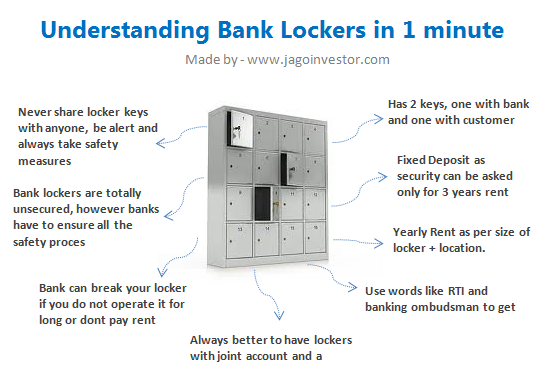
There are always 2 keys for the locker, one key is with Bank and the other with the locker holder. The locker can only be opened when both the keys are used at the same time. Generally bank official applies the key and then leaves the locker room and only after he/she leaves, you should open the locker door and do what you wanted to do. The banks use very high quality, strong lockers (generally Godrej). So overall, this all makes sure that your locker is very safe.
Lockers are to be allotted on first come, first serve basis (as per rules) and in-case the lockers are exhausted, the bank is suppose to keep a waiting list of customers who have applied for the lockers and have to inform them when the lockers are free in the same order of application. If bank says that they do not have any lockers left at the moment, you can ask them for the “Waiting Register.”
Annual Rent for Bank Lockers and Security Fixed Deposit
Bank lockers come in different shape and sizes, which can be taken by customers depending on their requirement. For using the facility of lockers, you have to pay an annual rent which will vary depending on the size of the locker, the city (metro, urban, or rural). For most banks, the locker rent starts from Rs 750-1,000 per year and can go up to 5,000-10,000 for PSU banks and even 40,000-50,000 in case of Private banks (see the locker rates for bank for Baroda here) .
Is opening a Fixed Deposit mandatory for getting a Locker ?
Now lets discuss the biggest pain point of customers. Almost all of you might have faced this. When you go to open a bank locker, you are asked to open a Fixed Deposit for a large sum like 2-5 lacs for a long duration or asked to buy some policy (ULIP or Traditional Plan) saying that this is the rule for assigning the locker. However it’s just a plain lie and an unfair practice followed by Banks. A common man has no idea if the bank is correct or not and where to get the right information? So, I looked at RBI regulations on Banking and found out the exact rules.
And this is what I found – YES ! , Banks can ask for Fixed Deposits as security !
But, here is the catch ! .
As per RBI regulations, the bank can ask for a fixed deposit only to cover 3 yrs of locker rent and the breaking charges, not a rupee more than that and that too only from the new locker applicants, not old one’s already having a locker. Here is the RBI wordings from their notification
1.2 Fixed Deposit as Security for Lockers
Banks may face situations where the locker-hirer neither operates the locker nor pays rent. To ensure prompt payment of locker rent, banks may at the time of allotment, obtain a Fixed Deposit which would cover 3 years rent and the charges for breaking open the locker in case of an eventuality. However, banks should not insist on such Fixed Deposit from the existing locker-hirers.
To give you the proof one of the PSU banks – Bank of Baroda clearly mentions this fact on its website here
At the time of hiring the locker, bank will obtain a minimum-security deposit in the form of FDR from the lessee for the amount which would cover 3 years rent and the charges for breaking open the locker in case of such eventualities.
So, suppose you want to get a locker whose yearly rent is Rs 1,200 and the breaking charges for locker is say, Rs 100, then they can only insist on a Fixed deposit of Rs 3,700 (3 years rent + breaking charges); nothing more than that. Ergo, 3 years locker rent is going to be a very small amount, which almost anyone can afford, but banks lie to you and trick you by telling you to invest in a really large Fixed Deposit .You oblige for your own reasons. Banks do it to make sure they reach their monthly and yearly targets of acquiring new fixed deposits and selling useless policies like ULIPs and traditional plans (Note that banks are one of the channels for many companies to sell their products)
So next time you go to the bank for enquiring about lockers and bank officials don’t give you proper information, you can tell them about the rules and the notification from RBI. That should give some shock to the employees there and they might treat you a bit fairly. If still they do not budge, use the threat of RTI and banking ombudsman (and then actually use it)
Use RTI to resolve the Issue and Find Information
RTI is a powerful tool for a common man. We will see now, how you can use RTI against PSU banks. Next time when you go to a bank (I am referring to PSU banks here), tell them you want to have a locker (assuming you are having a saving bank account there already) .
When the bank staff tells you that they do not have any lockers available at the moment or try to impose some rules, you can tell them that you will find out things by filing an RTI application to the branch manager and also would quote his name in the RTI (stare on his name plate at the desk , he/she might be in horror). If they do not budge, then really go file a RTI after the incident. I would say better file a RTI before and once you get the reply from RTI, reach the bank with RTI reply letter itself.
When you file RTI letter, ask following things
How many lockers are installed in the branch ?
What is the size and volume of lockers and how many types ?
Rental amount per year for the Lockers ?
How many lockers are Unoccupied and available for allotment
How many people have requested for it and are on “waiting list” ?
What is your serial number in that waiting list (in-case you have applied for it) ?
Is there any requirement to make a Fixed Deposit for getting the Locker (YES/NO) ?
What is the amount of fixed deposit to be opened and what are the rules for it ?
In how many days a bank locker is allotted ?
Who is responsible to allot the bank locker in bank ? What is the name of the officer or designation ?
A weak person is always exploited in society, that’s the nature of life . When you appear as uninformed and too needy, anyone can take advantage of you, but when you appear as informed investor, who will not allow anyone to take advantage of his/her and who appears to be committed to be treated fairly, its tough for the other side to exploit then. Here is an instance on how Nikhil got the Locker facility with any FD at ING Vyasa Bank
I experienced a similar forced selling sometime back at ING bank. I wanted a locker and the Relationship manager said I need to make an FD of Rs. 100000/-. when I said NO. they said its a rule. I said there is no Rule book which mentions this. Rules are same for all banks and branches. the Relationship Manager stubbornly said ‘This is the rule of this branch’.
I just went to their website, found the no. of Chief compliance officer and spoke to the officer who helped me on this. After 2 hrs, I got a call from the same Branch of ING and they requested me to come to the branch and gave me a locker without any kind of FD!
Locker with Joint Accounts and Nomination
Just like saving bank accounts and fixed deposits, you can open a locker as joint account and with nomination facility, so that in case the demise or unavailability of the main locker holder, the joint holder can access the locker and operate it. Also in case the locker holders die (both joint holders), at-least there would be a nominee, who can get access to the locker by producing death certificate and filing up claim form.
There are tons of cases where locker was just owned by a single holder and when he died ,the family had to move mountains to finally get access to the locker. Worst, many families are not even aware about the existence of the locker and banks don’t take much interest in tracing down the locker family for many years (provided they have got the rent or have the fixed deposit linked to it).
Can bank open the Locker without your permission ?
In the worst case YES ! You need to operate your locker from time to time (at least 6 months to an year ideally.) Recently there have been cases when explosives and illegal things were found in lockers, which shows how lockers can be misused. When you are allotted a locker, there is proper KYC done by bank to make sure they know everything about you. They would place you in particular risk category like low, medium or high. If you are a high risk category person, you need to operate your locker at least once a year to make sure everything is fine. If you fail to operate your account for very long (depending on your risk profile), the bank will first remind you about the locker and will ask you reasons for not operating your locker. If you still do not take actions, the bank has all the rights to break your locker and give it to some one else, even if you are paying the yearly rent on time.
In case there is a genuine reason for not operating your locker for a very long time, you need to give it in writing to the bank mentioning the reason (like if you are now an NRI or if you are out of the city for a long time.) Also, if you fail to pay the yearly rent, they can break off the locker and re-allot it to someone else. Fair enough 🙂
Are bank lockers really safe ? Who is responsible if something goes wrong ?
Now this can be news to many, and a shocker, but in truth, Banks are not responsible for your bank lockers for any unforeseen events which is beyond the control of banks, provided they have done every due diligence from their side to protect it. You have to understand what exactly a locker facility is. The bank just gives out the space they have, on rent and make sure that its safe and secured professionally. They are suppose to make sure they have all the safety and security measures in place, to ensure that the lockers are safe and secure. So its more of a proprietor and a tenant relationship. In case there is a robbery (not in control of bank), Earthquake, Tsunami, Fire (which is not in control of bank) then bank is NOT responsible, or liable to compensate you.
Let me give you an example – If there is a robbery in the bank and your locker is one of the unlucky ones to get robbed, you lose it completely and the bank is not liable to compensate you for the reason that it wasn’t in their control to stop it, especially when they have all the security measures in place like a security guard, powerful lockers, CCTV cameras installed, and emergency alarms in place. The act of robbery is more of a unlucky event for them and you. (However there are some policies in market which insures the jewelery in your bank locker like this policy from Axis Bank). If you think that robberies in bank (with locker looted) do not happen in reality, I must tell you that it happens and has happened in past. Here is one such example.
Robbers recently broke into the strong room of a Punjab and Sind Bank branch in Jalandhar and emptied out 36 lockers in an incident that stands out as a grim reminder of the abysmally poor security infrastructure at financial facilities in the country. The incident is a reminder of a burglary at the Chirgaon branch of the Central Bank of India in Jhansi, Uttar Pradesh. As many as 45 lockers had been robbed in the November 2010 episode. (Link)
When you put your valuables in bank locker, the bank does not know what did you put in there, there is no record of it in writing with bank. That’s one reason, they can’t compensate you in case something happens to it (It could happen that you never had anything in locker and you can suddenly say that jewellery worth 10 lacs is missing! What’s the proof ?) However it does not entirely mean that banks are not liable to pay back or compensate the locker holders in every case!
Bank has to make sure they have done their side of safety measures and security
Bank is not responsible for your lockers only in case of those events which are totally not in control of bank and unavoidable, but only when they have done their share of work and security like I explained above. If banks fail to do their duty and then a robbery or some unforeseen event occurs, which results in your loss, then a customer can always claim that the bank is liable to compensate, because then the incident might have not happened or could have been avoided if banks did their part.
In another case, of Bank of India vs Kanak Choudhary, the customer had kept currency notes in locker which was eaten up by termites. Here the bank didn’t do their job of ensuring that the place is clean and safe. The customer was awarded the compensation.
Bank of India vs Kanak Choudhary
Here, the customer filed a case stating that termites had destroyed currency notes and important papers kept in her locker. The commission said that the bank “was bound to ensure that the respondents’ locker remained safe in all respects”, and awarded compensation to the customer.
Even in the robbery case shown above, the bank was found to be irresponsible and didn’t not do a lot of security measures, and definitively there was a chance of the robbery being unsuccessful if only bank had done their share of work, which means the locker holders would get compensation from bank, but then issue now is, how much compensation bank has to give and why when ? The matter would have gone to court and delays and frustration must have happened in that case.
But how much you can claim back from Bank ?
Not 100%, because you can never define how much you lost with 100% certainty. Banks themselves insure the lockers to deal with the loss in an extreme eventuality, so bank themselves get some compensation from wherever they have insured the lockers. So you can get some compensation from bank out the amount they themselves get, but to get back the compensation, you will have to show the receipts of the things which you claim was kept in the locker. Even in that case, you will not get 100% back, it will be some percentage, which can’t be defined. Also you can’t get back any compensation for the documents kept (as you cant define it’s value) and the currency notes if any. You can look at the youtube video above to see these points on claims you can get back.
While the risk is always there with bank lockers, note that this is an extreme eventuality. This information should be seen more of an awareness point, rather than a decision making criteria to choose or discard taking a bank locker. You don’t stop driving a car, just because there is a small chance of accident, right? In the same way, just because lockers are not 100% secured, does not mean you say that – “I will not go with bank lockers, because its not 100% safe.” Truly speaking it’s much safer than you bank almirah at least.
Some safety measures you should take for Bank Locker
You can never get rid of the complete risk, but you can ensure that you follow some best practices and common sense tips to make sure your bank locker is safe. Here are some good practice.
Always open your locker after the bank employee who accompanies you to the vault leaves the place.
Make sure your bank has all the necessary security measures, such as alarm system, iron-gated rooms, electronic surveillance via CCTV, etc.
Visit your locker frequently and ensure your valuables are safe. The RBI and banks expect frequent locker visits from customers.
Also, ensure the locker is properly locked before you leave the vault.
If possible, better have 2 lockers to diversify the risk (like one locker for valuables, and another for Documents)
If possible, always go with the bank where you have huge trust and comfort and its near your place, so that you can visit them often
Keep laminated documents in the locker, so that they are not damaged if you keep them for a very long tenure.
Always keep a record of what all you have in locker, so that in-case of eventuality, you can alteast find out what was lost and what was the worth
Demand a copy of the hire-purchase agreement for the locker so that the bank cannot ask for a higher rent in future
If a bank says the locker request is in the waiting list, ask for the waiting number
Demand a copy of the bank’s internal guidelines regarding lockers (their guidelines never mention fixed deposit as a mandatory condition)
I hope this articles has helped you understand almost everything about the bank lockers and how they work and different rules and regulations. Do you also have a bank locker ? Generally what all you keep their and how much do you trust your bank for the locker safety ?

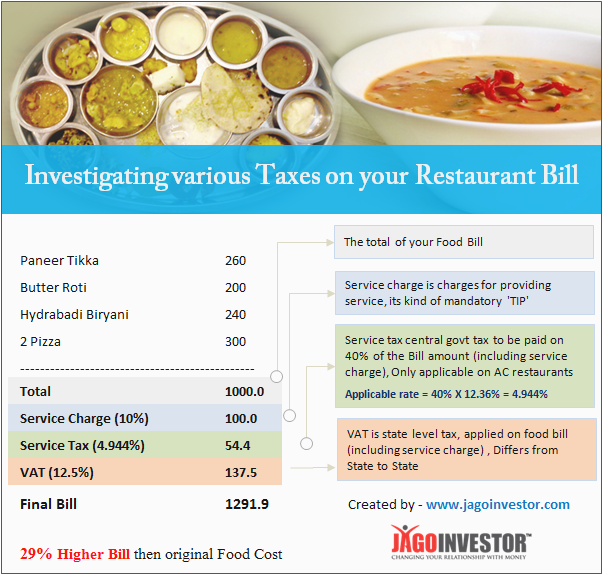
 Actually service charges are to be distributed among waiters and staff and its kind of compulsory “tip” to be paid. So if there is service charge on the bill, you are not suppose to tip officially to any one. So don’t feel awkward not paying the tip, because you have already paid it in form of service charge, however most of the hotels and restaurants never tell you this explicitly. However one of the exceptions I know is restaurant called “Barbeque Nation”, I could clearly see it was written in their menu that “We will levy 4% service charge on the final bill, and you are not suppose to tip any one (strictly prohibited), because service charge will be shared among the staff” . The ethics quality was as high as their food quality 🙂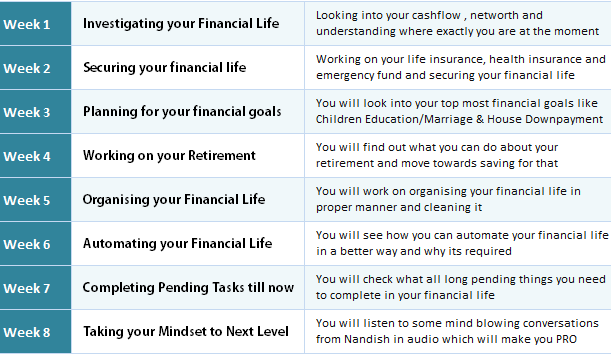
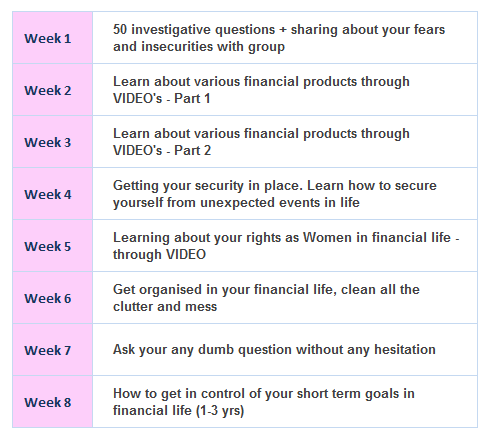


 .. She took a pause for few seconds before she realized what had happened, then she said thank you (in frustration) before disconnecting the call …
 ..
.. ) so she said “aap shadi to karoge hi to insurance to reqd hi hoga” I asked if she was married on which she said no. Then I asked “Madam aap mujh se shadi kar lo. Engineer hoon, 6 Foot ka jawan hoon, Kamata bhi hoon. aur tab mujhe insurance bhi chahiye hoga” Shockingly she said “Sir, why are you joking.” I said “no! I am serious. It’s a win win situation. Mera ghar bas jayega aur aapki policy bik jayegi. So when can I meet your mother? ” She put up the phone & since then I have got no call from ICICI.